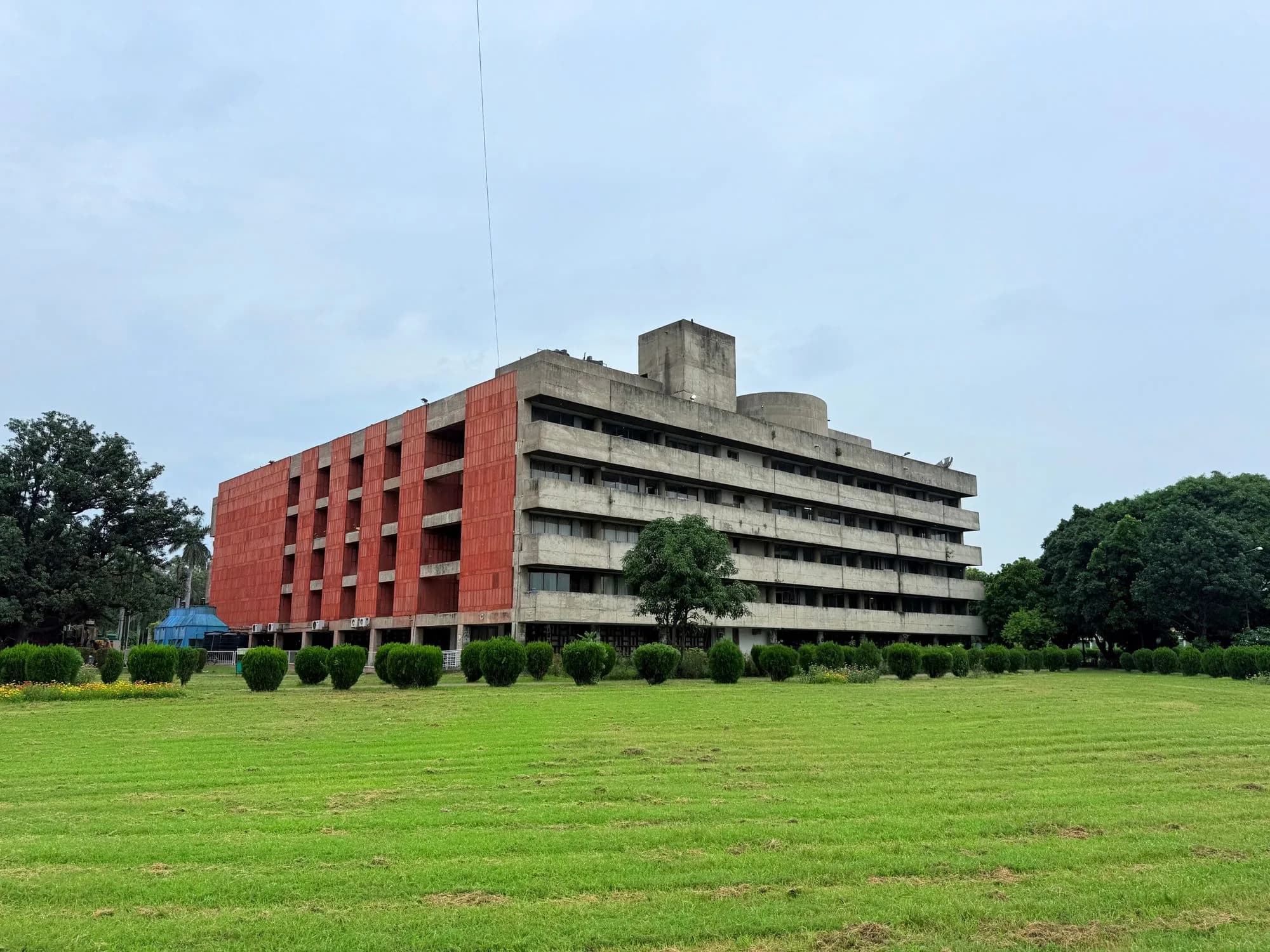
Chandigarh, India
Wedding photography in Chandigarh
In short
Aavira Films is a wedding photography and cinematography studio available for weddings in Chandigarh. A wedding here is usually a tricity wedding — a morning Anand Karaj or an evening phere, venues split across Chandigarh, Mohali and Panchkula, and a reception on a hard 10pm outdoor sound deadline — covered as photographs and as a film. It suits couples who want the planning constraints understood before the schedule is written.
- Territory
- Chandigarh UT, beside Punjab and Haryana
- Ceremony
- Morning Anand Karaj, or evening baraat and phere
- Airport
- Chandigarh (IXC), 20–30 minutes from most venues
- Note
- Night outdoor sound is restricted and strictly enforced
On the ground
How weddings run here
Coverage
What we photograph and film in Chandigarh
Photography, cinematography, pre-wedding and destination coverage — each with the local detail that changes how it is planned.
- Anand Karaj coverage
- Evening baraat, varmala and phere
- Choora and maiyan at home
- Sangeet and mehndi
- Doli and vidaai
- Wedding photography
- Cinematic wedding films
- Reception coverage
- Permitted city portrait sessions
Wedding photography in Chandigarh
A tricity weekend with short transfers and hard evening deadlines. Coverage is planned around the cut-off and the venue moves, so the sequences you care most about are not the ones being rushed.
See the photography workWedding cinematography in Chandigarh
Two very different ceremonies happen in this city — a morning Anand Karaj with no flash and no rigs, and an evening phere under stage lighting. A film has to hold whichever one is yours on its own terms.
Open the film libraryPre-wedding shoots in Chandigarh
The sector avenues, the tree canopy and the modernist geometry give the city a look nothing else in the region has. The named public sites need permission from the relevant authority, arranged in advance.
How pre-wedding shoots workDestination weddings in Chandigarh
The easiest arrivals in the region: an airport twenty minutes from most venues, hotels at every level, and four venue belts within a short drive. The reason so many families spread across countries choose to marry here.
Destination wedding coverageVenues
Where weddings happen in Chandigarh
The kinds of places a wedding here actually takes place, and what each one asks of a photography and film team.
Hotel banquets in the sectors
The city's core wedding venue type — indoor, air-conditioned, fully artificial light, and short transfers from the airport and the residential sectors. Worth walking through with the lighting team before the doors open.
Club and institutional venues
Several long-established clubs and institutional properties across the city host weddings, each with its own membership rules, timings and photography conditions. Confirm the crew's access when the venue is booked, not later.
Farmhouse and resort venues in the periphery
Zirakpur, Landran, New Chandigarh and the Siswan side carry the outdoor venues. Real daylight, room for a full baraat, and a night-time sound cut-off that follows whichever administration the property stands in.
Gurdwaras in the sectors
Where the Anand Karaj takes place. Bright, flat-lit marble halls, no flash, floor-level working positions and committee permission arranged ahead of the day.
Public gardens and lakes
Sukhna Lake, the Rose Garden and the Rock Garden are administered public sites. Pre-wedding and commercial shoots there generally require permission from the relevant authority, and the workable hours are the first and last of the day.
The Capitol Complex
A UNESCO World Heritage site with controlled, guided access. Not a venue and not a walk-up backdrop; any photography there is a permission question settled well in advance with the controlling authority.
Logistics
Getting there, and getting around
FAQ
Planning a wedding in Chandigarh
The things worth settling before you book anyone to photograph a wedding here.
How late can the music run at a Chandigarh wedding?
Less late than most couples expect. Outdoor amplified sound is restricted at night under national noise rules and enforcement in and around Chandigarh is strict, and each venue works to its own cut-off on top of that. The number matters less than the planning: if the entry, the first dance and the speeches sit after dinner, they get squeezed against the deadline. Ask your venue for its actual cut-off and schedule the moments you most want photographed and filmed comfortably before it.Our venue is in Zirakpur or Panchkula. Is that still a Chandigarh wedding?
In every practical sense, yes — the tricity is fifteen to thirty minutes end to end and guests will not notice the boundary. What changes is the rulebook. Chandigarh is a union territory, Mohali and Zirakpur are Punjab, and Panchkula is Haryana, and licensing, closing times and noise enforcement follow whichever administration the venue physically stands in. Ask each venue for its own timings rather than assuming they match a wedding you attended nearby.Can we do a pre-wedding shoot at Sukhna Lake or the Capitol Complex?
Only with permission, and in the Capitol Complex's case that is a serious process. Sukhna Lake, the Rose Garden and the Rock Garden are administered public sites where commercial and pre-wedding shoots generally require permission from the relevant authority. The Capitol Complex is a UNESCO World Heritage site with controlled, guided access — not somewhere a crew arrives with a couple in wedding clothes. Both are worth pursuing if you want them; neither should be promised by a team that has not actually secured it.Is a drone possible?
Often not. Chandigarh International Airport is close by and parts of the city sit under controlled airspace, so any flight has to be checked against the current DGCA airspace map for the specific venue and carry the applicable authorisation. Venue permission is not airspace permission. Nothing flies inside or over a gurdwara darbar in any case, and the heritage and government precincts are their own separate question.Where does the baraat actually happen here?
In the venue forecourt, almost always. Chandigarh's planned grid means long distances between buildings and fast roads with roundabouts, so the slow street procession that works in an old-city lane is not practical. That is not a loss — a forecourt baraat is easier to light, easier to move around and easier to keep everyone together for. It does mean the arrival sequence is compressed into a smaller area, which is worth knowing when the venue is chosen.Why do so many families choose Chandigarh for a wedding?
Logistics. The airport is twenty to thirty minutes from most venues, hotels exist at every level, and the venue belts in the sectors, Zirakpur, Panchkula and Mohali are all within a short drive of each other. For a family arriving from several countries and several Indian cities at once, that combination is genuinely hard to beat anywhere else in the region — which is also why the good dates go early.