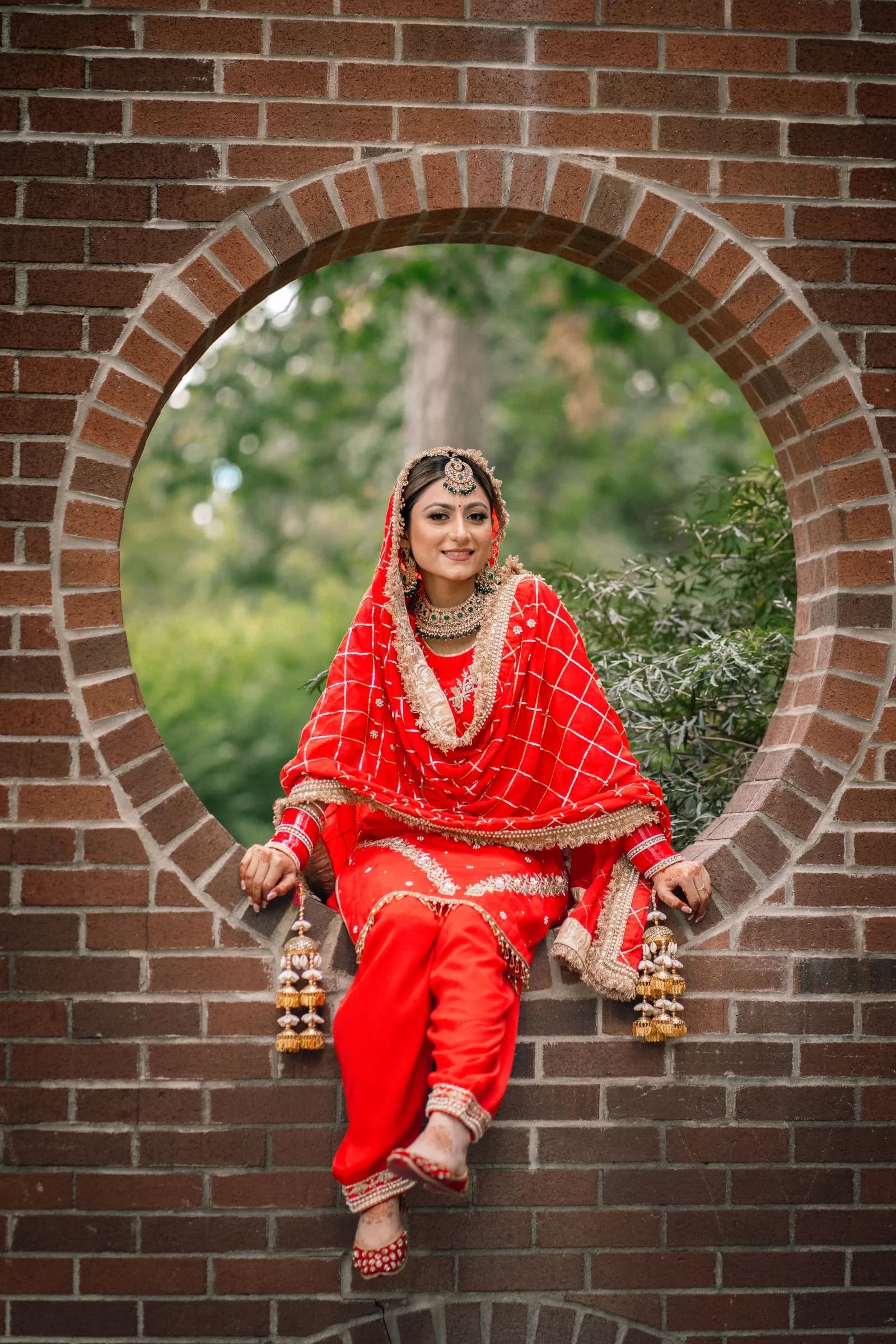
Destination Weddings
Weddings that require a flight
A destination wedding is not a normal wedding somewhere prettier. It is several days of events in an unfamiliar building, with no way to replace a broken lens and no second chance at the light. That is a logistics problem before it is a creative one.
How we travel
What changes when the wedding is far away
Four commitments that apply to every destination booking, without exception.
We arrive a day early
Always. A delayed flight on the morning of a haldi is not a risk worth taking, and a day on site is a day to find the light, the rooms and the exits before anything starts.
Redundant everything
Two bodies per shooter, backup lenses, spare audio, more cards and drives than the shoot needs. There is no rental house open at midnight in a hill town.
Backed up on site
Every card is copied to two drives before the day ends, and the drives travel separately. Nothing is formatted until the footage exists in more than one place.
Permissions handled early
Palaces, forts, beaches and resorts each have their own rules on drones, tripods and access. We confirm what is allowed in writing before we travel.
Venues
Each kind of place asks for something different
The venue decides the call times, the crew size and half the creative choices. Here is what each usually demands.
Palaces and forts
Enormous, beautiful and hard to light. Interiors swallow light, courtyards blow out at noon, and the good hour is very short. It is planned around, not improvised.
Beach and island
Wind, salt and a sun that sets faster than anyone expects. Ceremonies get scheduled by the tide and the light, and the kit gets cleaned every night.
Hill and mountain
Weather that changes in twenty minutes and roads that take longer than the map says. We build slack into every travel leg and carry a wet-weather plan.
Resort and villa
Multiple events across one property, often overlapping. The advantage is control; the work is a schedule that keeps a crew in two places at once without dropping either.
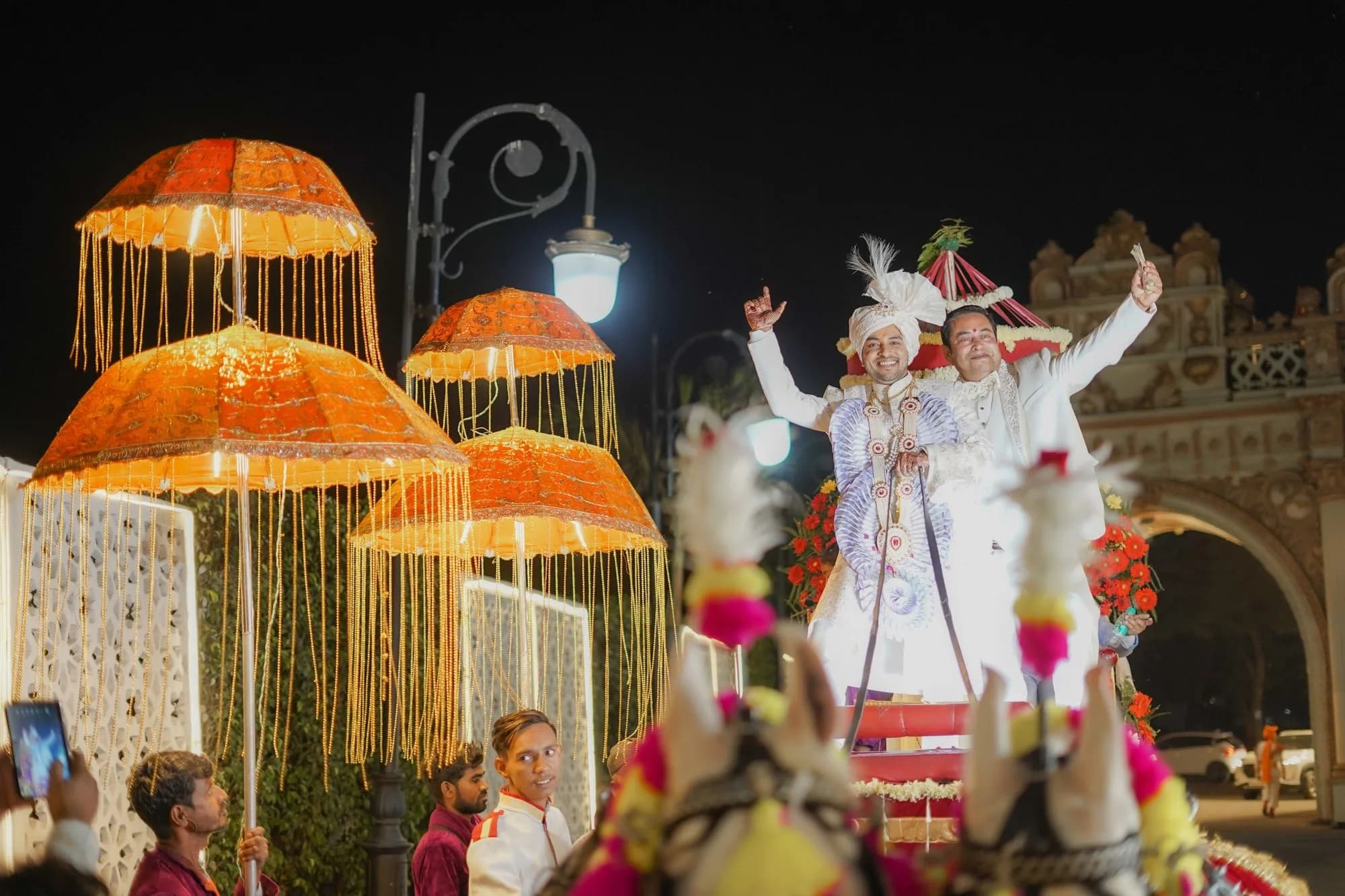
Coverage
Several days, one continuous story
Destination weddings usually run three to five days: a welcome dinner, a mehendi, a haldi, the wedding itself and a reception, often with a pool party or a sundowner somewhere in the middle. Guests are together the whole time, which produces frames a single-day wedding never can.
We staff for the busiest day rather than the average one, and we plan for the overlaps — because a sangeet rehearsal and a family lunch on opposite sides of a property is a scheduling problem, not a creative one.
- Coverage across every function, not just the wedding
- Crew sized to the busiest day
- Guest and family coverage between events
- Drone where it is permitted and worth it
Working with us
How a destination booking runs
- 01
Route and dates
You tell us the venue and the run of events. We come back with a travel plan, crew size and exactly which days we need to be on site.
- 02
Recce on arrival
The day before the first event we walk every space at the hour it will be used, and agree positions with your planner.
- 03
The events
Full coverage across every function, with the crew split or combined as the timeline demands. Backups run each night, not at the end.
- 04
Home and edit
Footage travels in two places. Editing starts once we are back, and you get a curated photo set before the film is finished.
On travel and stay
Travel, accommodation and local transport for the crew are quoted separately and honestly, at cost, once the venue and dates are fixed. We will never hide them inside a headline figure, and we will tell you when a smaller crew would serve the wedding just as well.
Where we work
Cities and regions we cover
Not on the list? We travel for the right wedding. Tell us where it is.
Featured work
Destination films and stories
Destination work is published here once the couple approves it. Ask us and we will walk you through recent weddings directly.
Tell us your story
Send the venue, the dates and the run of events. We will come back with availability, crew size and an honest travel estimate.