Bathinda, Punjab, India
Wedding photography in Bathinda
In short
Aavira Films is a wedding photography and cinematography studio available for weddings in Bathinda. In this part of Malwa a wedding is usually split between a village house and a marriage palace on the bypass — choora before dawn, a morning Anand Karaj, langar, and a doli that involves a long drive — covered as photographs and as a film. It suits families who want the village half of the wedding taken as seriously as the reception.
- Region
- Malwa, cotton belt
- Ceremony
- Anand Karaj, morning, usually 8–11am
- Arrivals
- Bathinda Junction by rail; Chandigarh (IXC) ~230km
- Watch for
- Heavy Dec–Jan fog; long village-to-venue drives
On the ground
How weddings run here
Coverage
What we photograph and film in Bathinda
Photography, cinematography, pre-wedding and destination coverage — each with the local detail that changes how it is planned.
- Anand Karaj coverage
- Village home ceremonies
- Giddha, boliyan and jaggo
- Choora and maiyan
- Doli and vidaai
- Wedding photography
- Cinematic wedding films
- Reception coverage
- Pre-wedding portraits
Wedding photography in Bathinda
The village half of the wedding is where the photographs are — the courtyard, the giddha circle, the doorway everyone passes through. Coverage is planned to be inside that rather than waiting at the reception venue.
See the photography workWedding cinematography in Bathinda
Boliyan sung by people who have always sung them, the lavaan in a small village gurdwara, a doli that is an actual journey. A Malwa film is carried by sound recorded in difficult, crowded places.
Open the film libraryPre-wedding shoots in Bathinda
Cotton and wheat fields, canal roads and mustard in February and March. Simple, open, dependable locations — and worth doing in the cool half of the day between April and June.
How pre-wedding shoots workDestination weddings in Bathinda
Far enough from an airport that the crew and the out-of-town family should arrive the night before, and enough distance between village and venue that the day is planned as two locations from the start.
Destination wedding coverageVenues
Where weddings happen in Bathinda
The kinds of places a wedding here actually takes place, and what each one asks of a photography and film team.
Village family homes and havelis
Where most of the wedding actually happens: choora, maiyan, sehra bandi, the courtyard sangeet and the giddha circle. Courtyards, roofs, small rooms with one window, and a crowd that has known the family for generations.
Village gurdwaras
Smaller and plainer than the city ones, often with the Anand Karaj in a modest hall. Permission is usually a conversation with the granthi and the local committee, and the same rules apply: no flash, nothing above the Guru Granth Sahib, work from the floor.
Marriage palaces on the Bathinda bypass
The standard reception venue: lawn for the baraat, a large hall lit entirely with coloured artificial light, rooms and parking. Placed on the highway precisely so guests from across the district can reach it.
City hotels and banquet halls
Used for receptions and for housing guests arriving by train. Predictable power, air conditioning, and a controllable hall — a real advantage for a pre-monsoon wedding.
Farm and open-ground venues
Common across the cotton belt: genuine space for a large baraat and a large gathering, daylight through the afternoon, and complete dependence on whatever lighting the decorator brings once the sun goes.
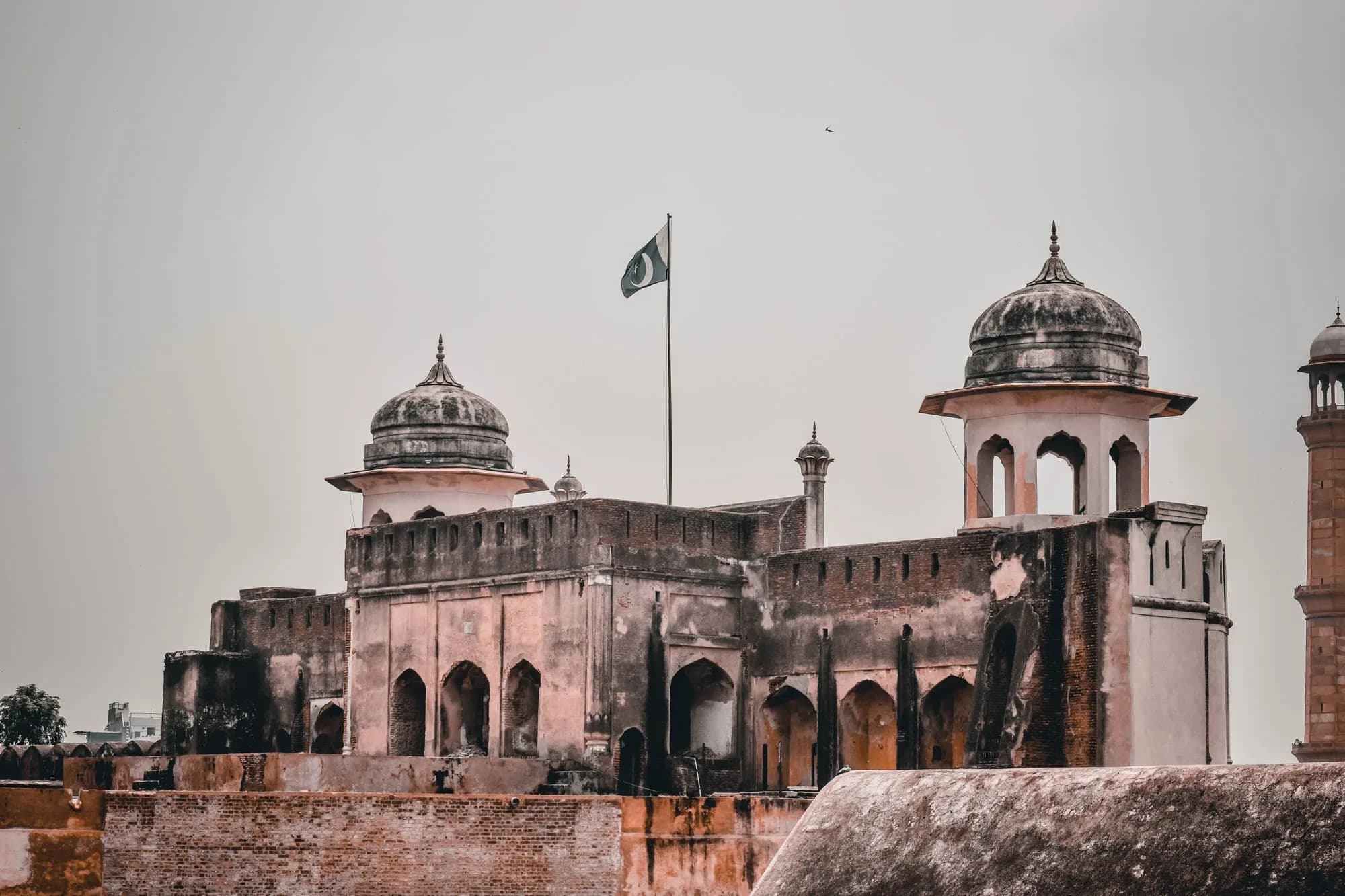
Qila Mubarak and the old city
A protected ancient monument under conservation rather than a hireable backdrop. Any shoot there is a permission question to settle in advance with the authority that controls the site.
Logistics
Getting there, and getting around
FAQ
Planning a wedding in Bathinda
The things worth settling before you book anyone to photograph a wedding here.
Our village is fifty kilometres from the reception venue. How does that change the plan?
It adds a real journey in the middle of the day and it is the most common reason Bathinda-district timelines slip. The roads are single-carriageway and slow, so the gap between the doli leaving the village and the baraat reaching a bypass venue can be an hour and a half. Practically that means two units on the wedding day: one that stays with the bride from the choora through the doli and travels with her, and one already at the reception venue covering the setup and testing the hall lighting before anyone arrives.Is the winter fog worse here than elsewhere in Punjab?
Southern Malwa gets some of the densest fog in the state, and in late December and January morning visibility on the district roads can drop severely — which is exactly the part of the day the wedding occupies. It is not a reason to move the date; those are the best wedding weeks of the year. It is a reason for the crew and for out-of-town family to be in place the night before, and for the schedule to hold a genuine buffer between the ceremony and anything that involves driving.How do you photograph giddha and boliyan at a village wedding?
From inside the circle, not from the edge of it. Malwai giddha here is sung by older women who have always sung it, at night, in a courtyard, in very little light — which means fast lenses, high ISO and a willingness to be in the middle of a crowd rather than behind a tripod on the lawn. It is usually the most characteristic material a Malwa wedding produces, and it is the sequence most often missed by a team waiting for the stage programme to start.Can we shoot at Qila Mubarak?
Only with permission. It is a protected ancient monument in the middle of the old city, under conservation, and it is not available as a backdrop on request. If those frames matter to you, the request has to go to the authority controlling the site well in advance and may come with limits or a refusal. For portraits, the more dependable local landscape is agricultural — the cotton and wheat fields, the canal roads, and mustard in February and March.How do most guests reach Bathinda?
By train, more often than not. Bathinda Junction is one of the largest railway junctions in the country with lines in five directions, and it is usually more practical than flying. There is a small civil airport at Virk Kalan about 25km out, but its schedule has changed repeatedly over the years, so check whether a flight actually exists on your dates. Guests flying long-haul generally come through Chandigarh, about four to five hours away by road.We are marrying in May. What should we plan for?
Heat, and a lot of it. April to June in this belt is hot and dry, and open-ground events are genuinely hard on older relatives. The usual adjustments are to keep the ceremony as early in the morning as the gurdwara will allow, to hold the daytime gathering under proper shade with water available, and to move anything optional to the evening. From a coverage point of view it also means the doli — which lands in the worst light and the worst heat of the day — needs shade planned for the bride and her family, not just for the photographs.