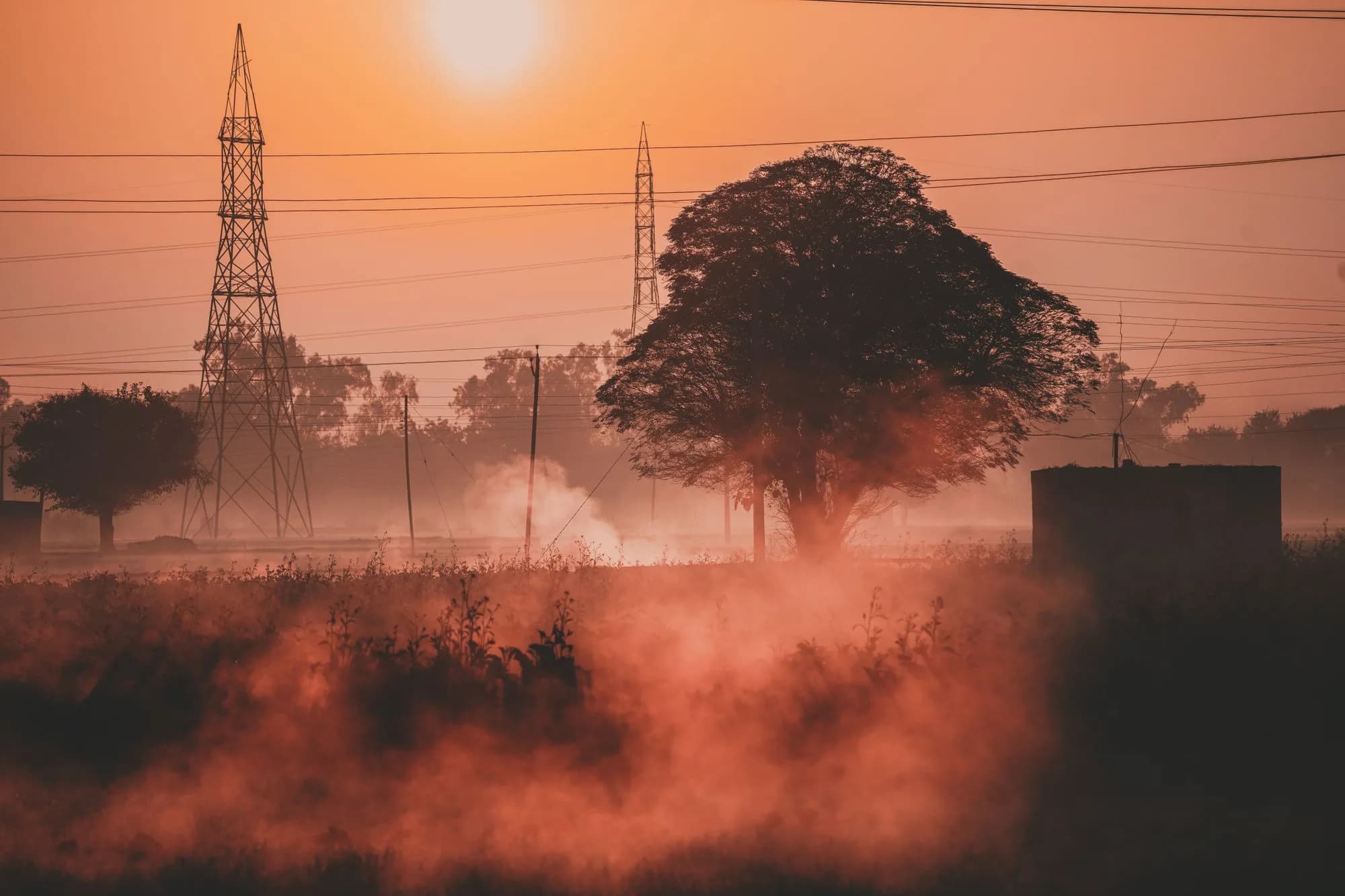
Hoshiarpur, Punjab, India
Wedding photography in Hoshiarpur
In short
Aavira Films is a wedding photography and cinematography studio available for weddings in Hoshiarpur. Weddings here run the Doaba pattern against the Shivalik foothills — a morning Anand Karaj, a family home in a kandi-belt village, a doli and a reception in town — covered as photographs and as a film. It suits couples marrying in the hill-edge villages where the working light is shorter than the schedule assumes.
- Region
- Doaba, at the Shivalik foothills
- Ceremony
- Anand Karaj, morning, usually 8–11am
- Nearest airports
- Amritsar (ATQ) and Chandigarh (IXC), each ~120km
- Local note
- Hill shadow ends outdoor light early in eastern villages
On the ground
How weddings run here
Coverage
What we photograph and film in Hoshiarpur
Photography, cinematography, pre-wedding and destination coverage — each with the local detail that changes how it is planned.
- Anand Karaj coverage
- Village home ceremonies
- Milni and extended family groups
- Choora and maiyan
- Jaggo and sangeet
- Doli and vidaai
- Wedding photography
- Cinematic wedding films
- Reception coverage
Wedding photography in Hoshiarpur
Hill-edge villages, a Doaba family spread across three countries, and an outdoor light that ends earlier than the schedule assumes. Coverage is planned around all three rather than around a standard timeline.
See the photography workWedding cinematography in Hoshiarpur
For a family that will watch this from Brampton or Birmingham, the film carries the wedding. Clean ceremony audio, the boliyan at jaggo, and the people who flew in given room in the edit.
Open the film libraryPre-wedding shoots in Hoshiarpur
The kandi roads and the foothill country give the district its best frames, and the workable hours are earlier than elsewhere in Punjab because of the ridge. Worth planning as a morning rather than an evening.
How pre-wedding shoots workDestination and NRI weddings
Most Hoshiarpur weddings are already a family travelling home for a fortnight. More events per trip, less time on the ground, and a strong argument for seeing something before everyone flies out.
Destination wedding coverageVenues
Where weddings happen in Hoshiarpur
The kinds of places a wedding here actually takes place, and what each one asks of a photography and film team.
Village family homes in the kandi belt
Where the choora, maiyan, sehra bandi and doli happen. Courtyards, roofs and small rooms, and — in the eastern villages — a working outdoor light that ends early once the sun drops behind the ridge.
Village and town gurdwaras
Where the Anand Karaj takes place. Flat-lit halls, no flash, floor-level positions only, and permission arranged in advance with the granthi or the local committee.
Marriage palaces on the town approaches
The standard reception venue: lawn, hall, rooms and parking on the roads into Hoshiarpur. Coloured artificial hall lighting that needs balancing before the guests arrive.
Resorts and farm venues towards the foothills
Open ground with the Shivaliks behind it, which is the district's real visual asset. Excellent afternoon light, and an early end to it in any location that sits in the shadow of a ridge.
Town hotels
Used for receptions and for housing visiting relatives. Predictable power and controllable banquet light, with Jalandhar 45km away as the overflow when the town is full.
Temples and shrines
Chintpurni, about 50km east across the Himachal border, is a common destination during the wedding period. It is a working shrine with heavy footfall and its own rules — coverage there is discreet and permission-led, never a set-up.
Logistics
Getting there, and getting around
FAQ
Planning a wedding in Hoshiarpur
The things worth settling before you book anyone to photograph a wedding here.
Why does the light go early in the villages here?
Because on the eastern side of the district the sun sets behind the Shivalik ridge rather than on the horizon. In a village that sits in that shadow the last usable outdoor light can end twenty to forty minutes before the sunset time your phone shows, and it drops quickly rather than fading. The fix is free: schedule the baraat entry, the varmala and any outdoor part of the sangeet half an hour earlier than you otherwise would, and everything outdoors is lit by the sky instead of by whatever the decorator hung.Half our family is coming from Canada and the UK. What changes?
The weight of the coverage shifts towards people. The milni pairings and the family groups become the most valuable frames of the wedding, because they are the ones the visiting relatives are actually in and they happen once. The informal days matter too — the welcome dinner, the lunch at the village house — which is usually where the visiting family is at its most relaxed. And there is a genuine case for a first set of photographs or a short film delivered while everyone is still in the country rather than months after they have flown home.Can we be photographed at Chintpurni?
Only in the way any visitor can be. It is a working shrine about 50km east across the Himachal border with very heavy footfall and its own rules, and it is not a location where a crew sets up. Many Hoshiarpur families make the visit part of the wedding period and want it recorded; that means discreet coverage, permission asked rather than assumed, and realistic expectations about crowds and time. For portraits, the district's kandi roads and foothill country are far more workable.How long does it take to reach the eastern villages?
Longer than the map says. The approaches through Garhshankar and Mahilpur are narrower and slower than the Doaba plains, and a wedding convoy moves at the speed of its slowest car. For coverage that matters mainly on the wedding morning, when a crew has to be at the bride's house before sunrise and at a gurdwara elsewhere by eight — which is usually the argument for staying in the district the night before rather than driving out from Jalandhar at 4am.Where should guests flying in stay?
Hoshiarpur town has hotels, and Jalandhar — about 45km away — is the usual overflow for a large guest list. For flights, Amritsar is roughly 120km and Chandigarh roughly 120–140km; Adampur, about 40km away, has a small terminal with a limited schedule that is worth checking rather than relying on. Anyone arriving in December or January should allow for fog delays and, ideally, arrive a day early.