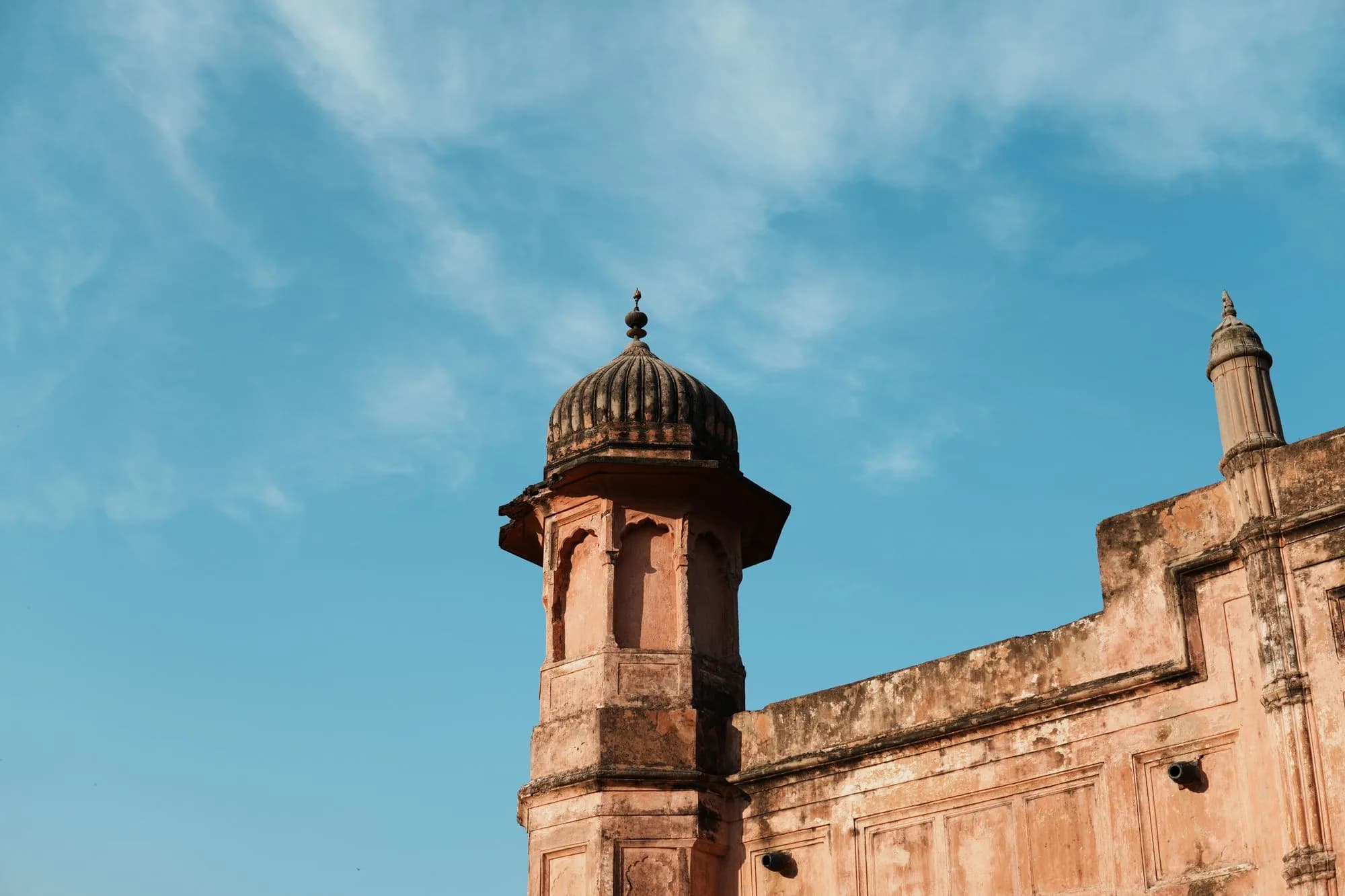
Patiala, Punjab, India
Wedding photography in Patiala
In short
Aavira Films is a wedding photography and cinematography studio available for weddings in Patiala. Here that usually means a wedding with the old ritual order kept intact — the pagg tied properly, sehra bandi at home, a morning Anand Karaj, langar and an early-afternoon doli — with the reception at a hotel or a palace outside the walled quarter. It suits couples who want the traditional detail photographed with the attention it is actually given.
- Region
- Malwa
- Ceremony
- Anand Karaj, morning, usually 8–11am
- Nearest airport
- Chandigarh (IXC), about 65km
- Note
- Heritage sites need permission arranged in advance
On the ground
How weddings run here
Coverage
What we photograph and film in Patiala
Photography, cinematography, pre-wedding and destination coverage — each with the local detail that changes how it is planned.
- Anand Karaj coverage
- Sehra bandi and pagg tying
- Choora and maiyan at home
- Jaggo and sangeet
- Doli and vidaai
- Wedding photography
- Cinematic wedding films
- Reception coverage
- Permitted heritage portrait sessions
Wedding photography in Patiala
The traditional detail here is real — the pagg, the phulkari, the jewellery that came out of a family trunk. Coverage gives those the time the family already gives them, instead of treating them as filler between the ceremonies.
See the photography workWedding cinematography in Patiala
Patiala families tend to keep the whole sequence of ceremonies rather than compressing it, which gives a film something most wedding films do not have: a beginning that starts months before the wedding day.
Open the film libraryPre-wedding shoots in Patiala
The old quarter, the garden spaces and the countryside towards Nabha all photograph beautifully — and the heritage sites need permission from whoever controls them, arranged before the day rather than negotiated at the gate.
How pre-wedding shoots workDestination weddings in Patiala
Close enough to Chandigarh that guests can fly in and stay there, far enough that the city feels like somewhere. A workable combination for families who want a traditional Punjabi wedding without a four-hour transfer.
Destination wedding coverageVenues
Where weddings happen in Patiala
The kinds of places a wedding here actually takes place, and what each one asks of a photography and film team.
Heritage and garden sites
Qila Mubarak, the Sheesh Mahal, Baradari Gardens and the Moti Bagh complex are protected, institutional or public property. Shooting in any of them needs permission from whoever controls the site, arranged in advance, with real limits on equipment and access — plan them as a separate permitted session, not an add-on.
Gurdwaras in and around the city
Where the Anand Karaj takes place. Bright, flat-lit marble halls, no flash, floor-level working positions only, and a committee whose permission should be arranged a week ahead.
Marriage palaces on the Rajpura, Sirhind and Bhadson roads
The practical venue for a large reception: lawn, hall, rooms and parking, outside the congestion of the walled quarter. Artificial hall lighting that needs balancing before the guests arrive.
City hotels
Used for receptions and for housing guests who have driven up from Chandigarh or Delhi. Predictable power, air conditioning and controllable banquet light.
Family homes in the old quarter
Where choora, maiyan, sehra bandi and the pagg-tying happen. Narrow approaches, small rooms, a lot of people, and the best material of the wedding.
Farm venues outside the city
On the roads towards Nabha, Samana and Bhadson. Daylight, space for a full baraat, and the option of holding two days of events on one site.
Logistics
Getting there, and getting around
FAQ
Planning a wedding in Patiala
The things worth settling before you book anyone to photograph a wedding here.
Can we shoot at Qila Mubarak, the Sheesh Mahal or Baradari Gardens?
Not simply by turning up. Those sites are protected, institutional or public property — the Moti Bagh complex houses the National Institute of Sports, the fort has been under long-running conservation work, and the gardens are public land. A shoot needs permission from whoever actually controls the site, arranged in advance, and usually comes with limits on equipment, timing and access. Treat it as a separate permitted session on a different day, not as something squeezed between the ceremony and the reception.How much time should we give the pagg and sehra bandi?
More than most schedules do. In Patiala the groom's turban is frequently tied by a specialist, in front of the family, and the tying itself is watched — it is a ceremony, not a preparation step. Half an hour of dedicated coverage is realistic, and it should be scheduled before the baraat assembles rather than while it is trying to leave. The same attention applies to the bride's chunni and the phulkari, which in many Patiala families has come out of a trunk rather than a shop.We are keeping every pre-wedding ceremony. How many days of coverage do we need?
It depends on which of them you want as photographs and which you want as a film. Roka, chunni chadai, kurmai and sagan are often months apart and are usually covered lightly or not at all; mehndi, sangeet and jaggo are worth a full evening each; the wedding day from choora to doli is the non-negotiable one. A useful way to decide is to ask, for each ceremony, who is in the room — the ones with the grandparents and the extended family in them are the ones that age best.Where do guests flying in usually stay?
Many stay in Chandigarh, which is about 65km and roughly ninety minutes away, and drive down for the events; others take hotels in Patiala itself. Chandigarh International Airport is the practical arrival point for everyone flying in. If a large part of your guest list is commuting from Chandigarh, the morning ceremony time is the thing to communicate clearly and early — a 9am Anand Karaj means leaving Chandigarh before seven, and in December fog, earlier still.Why is the reception almost never in the old city?
Because moving several hundred guests and their cars in and out of the walled quarter around Qila Mubarak is genuinely difficult. Most families hold the home ceremonies in the old city and take the reception out to a hotel or a palace venue on the Rajpura, Sirhind or Bhadson roads. From a coverage point of view that splits the day across two locations, which usually means two units — one staying with the family, one setting up and testing the reception hall in advance.