Moga, Punjab, India
Wedding photography in Moga
In short
Aavira Films is a wedding photography and cinematography studio available for weddings in Moga. Weddings in this part of Malwa are built around a village house and a live-singer sangeet, with a morning Anand Karaj and a reception at a palace on the Ludhiana or Ferozepur road — covered as photographs and as a film. It suits families whose wedding happens mostly in a courtyard rather than on a stage.
- Region
- Malwa
- Ceremony
- Anand Karaj, morning, usually 8–11am
- Nearest hub
- Ludhiana, about 60km
- Watch for
- Long village-to-village doli drives; Dec–Jan fog
On the ground
How weddings run here
Coverage
What we photograph and film in Moga
Photography, cinematography, pre-wedding and destination coverage — each with the local detail that changes how it is planned.
- Anand Karaj coverage
- Village home ceremonies
- Live-singer sangeet coverage
- Giddha, boliyan and jaggo
- Choora and maiyan
- Doli and vidaai
- Wedding photography
- Cinematic wedding films
- Reception coverage
Wedding photography in Moga
The courtyard, the roof, the giddha circle and the doorway everyone passes through. Coverage here is documentary work in a crowd, not portraiture on a lawn.
See the photography workWedding cinematography in Moga
A live singer, a crowd that sings back, boliyan at the edges of the evening and a doli that is an actual journey. The film is carried by sound recorded in difficult, unrepeatable places.
Open the film libraryPre-wedding shoots in Moga
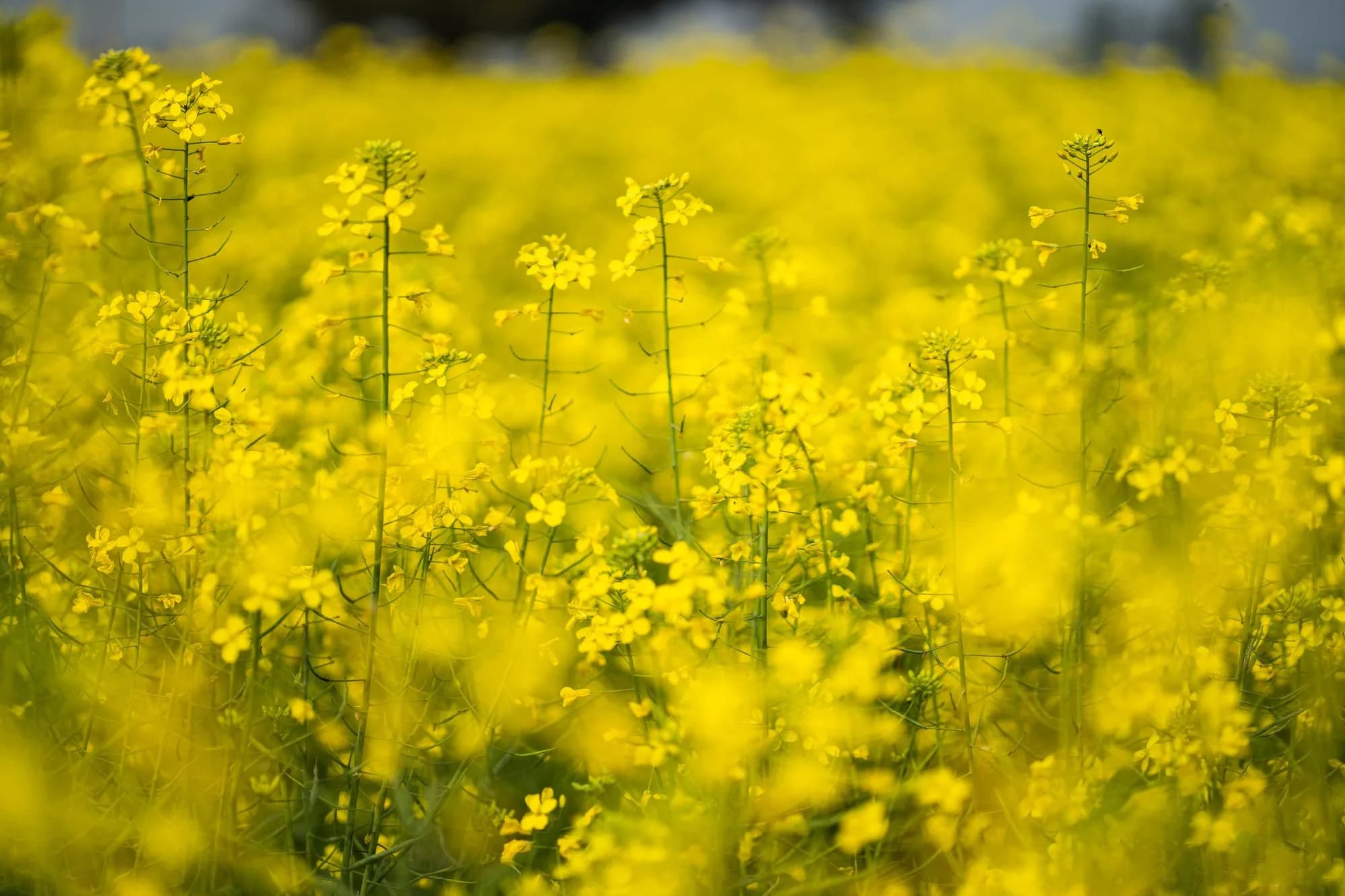
Open farmland within minutes of the town, and mustard in February and March. Simple, honest locations that need nothing except being there at the right hour.
How pre-wedding shoots workDestination weddings in Moga
No airport nearby and real distances between villages, so the crew and out-of-town family arrive the night before as a matter of course, and the day is planned as two locations from the start.
Destination wedding coverageVenues
Where weddings happen in Moga
The kinds of places a wedding here actually takes place, and what each one asks of a photography and film team.
Village family homes and havelis
The centre of a Moga wedding: courtyard, roof, the room where the choora happens, the doorway everyone passes through. Crowded, warm, badly lit and the source of nearly all the material worth keeping.
Village gurdwaras
Where the Anand Karaj takes place. Plain halls, flat light, no flash, floor-level working positions, and permission arranged with the granthi and local committee a few days ahead.
Marriage palaces on the Ludhiana and Ferozepur roads
The reception standard: lawn for the baraat, a large hall lit entirely with coloured artificial light, rooms and parking, placed on the highway so guests from across the district can reach it.
Courtyard and lawn stages for live singers
Live singing is close to the norm here rather than the exception. The stage is lit; the crowd is not — and the crowd is where the wedding is. Both need covering, from different positions.
Open fields and farm ground
Used for large baraats and gatherings, and the district's best portrait landscape — wheat, cotton and, in February and March, mustard.
Town hotels and banquet halls
Smaller scale than the palaces, used for compact receptions and for housing guests who have driven in from Ludhiana or further.
Logistics
Getting there, and getting around
FAQ
Planning a wedding in Moga
The things worth settling before you book anyone to photograph a wedding here.
Our sangeet has a live singer. How should that be covered?
With at least two positions, and with the understanding that the stage is not the story. A live-singer sangeet in this district plays to a crowd that knows the songs, and the material is in the older relatives who get up, the boliyan that break out at the edges and the giddha circle that forms without anyone organising it. One camera holds the stage from a clean fixed angle; the other stays in the crowd. A team that spends the whole evening framed on the singer will give you a recording of a concert.The two villages are fifty kilometres apart. What does that mean for the day?
It means the doli is a journey, not a departure, and that the timeline is fragile. Single-carriageway roads, a convoy moving at the speed of its slowest car, and an hour or more between the bride leaving and the baraat arriving. Practically it argues for two units on the wedding day — one with the bride from the choora through the doli and travelling with her, one already at the reception venue covering the setup and testing the hall lighting before the guests arrive.How do you photograph giddha and boliyan?
From inside the circle, with fast lenses and no flash, accepting high ISO. It happens at night, in a courtyard, in almost no light, and it cannot be restaged — the moment older women start singing is the moment it is worth being close and unobtrusive rather than setting up. It is the single most characteristic thing a Malwa wedding produces and the sequence most often missed by a team waiting for the formal programme to begin.What is the best time of year to marry in Moga?
Late October to early December, and February and March. The second window is the more photogenic: the district is agricultural and the mustard is out, which gives the pre-wedding and outdoor sequences something no venue can. Avoid April to June, which is hot and dry and hard on an open-ground gathering, and treat late December and January with care — the fog on the Ludhiana–Ferozepur road lands squarely in the morning hours the wedding occupies.How do guests reach Moga?
By road, mostly. There is no useful airport here — Ludhiana is about 60km and the practical hub, Chandigarh roughly 170km and four hours, Amritsar about 140km. Guests coming from further afield generally fly into Chandigarh or Amritsar and drive, or take a train to Ludhiana or Ferozepur. Anyone travelling in December or January should build fog delays into their plans and arrive the day before.